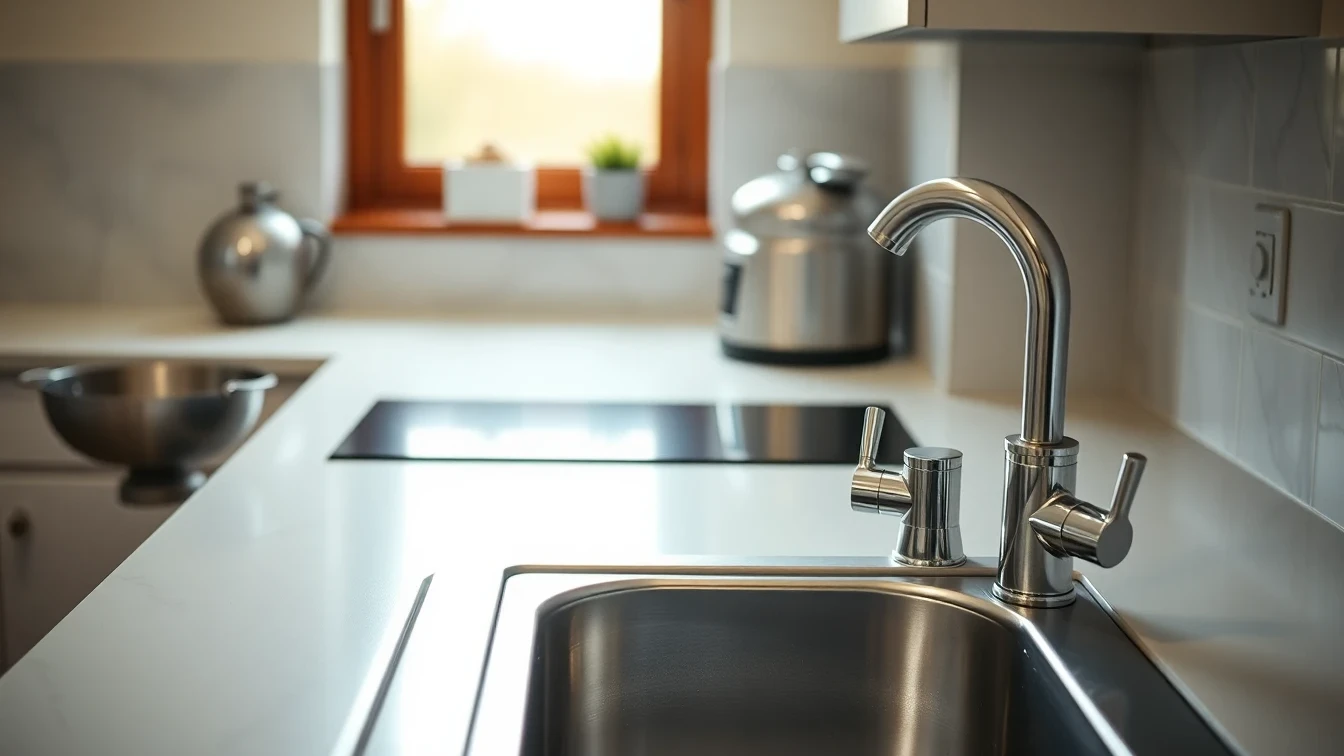
A blocked sink is the single most common callout we attend across Merseyside. Kitchens in Liverpool terraces, bathroom basins in 1930s semis in Crosby, utility sinks in new-builds off the East Lancs in Knowsley — the symptoms are always similar, but the right response depends heavily on which sink you are dealing with and what has gone down it.
This guide from the engineers at Blocked Drains Liverpool sets out the DIY hierarchy we recommend to customers who get in touch online before booking a visit, along with the honest answer to the question we are asked every day: when is it cheaper and smarter to stop and call someone.
Kitchen Sinks and Bathroom Sinks Are Different Problems
Before you pick up a plunger, it is worth understanding what you are dealing with. A kitchen sink blockage is almost always caused by fat, oil and grease (FOG) combined with food debris. The waste pipe in an older Liverpool kitchen — particularly the 1950s and 60s terraces around Walton and Bootle — is often 32mm or 40mm steel or early plastic, laid with a shallow fall, and has been accumulating grease for decades.
A bathroom basin, by contrast, blocks with hair, soap scum, toothpaste and shaving gel. The pipework is usually shorter, often with a bottle trap under the basin rather than a P-trap, and the blockage sits within arm's reach of the plughole.
Treating them the same is the first mistake most people make. Hot water and washing-up liquid is useful for a kitchen grease blockage and does almost nothing for a hair mat in a bathroom bottle trap.
The DIY Hierarchy, In Order
1. Boiling Water and Washing-Up Liquid (Kitchen Only)
For a slow-draining kitchen sink, start here. Remove standing water with a jug, squirt a generous amount of washing-up liquid down the plughole, wait five minutes, then pour a full kettle of very hot (not boiling) water down in a steady stream. Repeat once. This works for early-stage grease blockages and buys time on a marginal pipe. Never use boiling water on plastic pipework fitted after about 1990 — it can deform push-fit joints.
2. Plunger
A cup plunger (the flat-bottomed type) is correct for sinks. Block the overflow with a damp cloth — without this, the plunger cannot generate pressure. Run a little water so the plunger lip is submerged. Pump firmly for 20 to 30 seconds. The pressure wave shifts most partial blockages. If you have a double bowl, you must block the second plughole too or the pressure simply vents.
3. Hand Snake or Zip-Tool
For bathroom basins, a plastic zip-tool (the disposable barbed strip sold for a pound or two) pulled up through the plughole will extract a hair mat in seconds. For kitchen sinks, a small hand auger — a 3 to 6 metre coiled cable with a crank handle — will reach through the trap into the branch waste. Work slowly and avoid forcing it through bends.
4. Dismantle the U-Bend
This is the step most householders skip and most engineers would try next. Place a bucket under the trap. Unscrew the two plastic collars by hand — they should not need tools. Empty the trap into the bucket, flush it out at an outside tap, and inspect it. If the trap was full of grease or a foreign object, that was the blockage and you are done. If the trap was clear, the blockage is further downstream and DIY has reached its limit.
5. Baking Soda and Vinegar
We include this because customers ask about it, not because we recommend it. The chemistry is real but weak — the reaction produces a small amount of foam with very little mechanical force. On a fully blocked pipe it does nothing. On a slow pipe it is no better than hot water alone. Skip it.
What Not to Do
Avoid caustic soda and supermarket drain cleaners on a fully blocked sink. They sit on top of the blockage, heat up, and produce a hazardous slurry that makes professional clearance slower and more expensive. We regularly arrive at jobs across Huyton and Kirkby where the householder has poured in two bottles of caustic and then contacted us — we have to neutralise before we can work.
Do not dismantle pipework above a running washing machine or dishwasher cycle. Do not use a coat hanger down the plughole on a ceramic basin — it scratches the glaze and rarely reaches the blockage.
When to Stop and Call a Professional
Stop and request a visit online when:
- You have dismantled the trap, confirmed it is clear, and the pipe beyond it is still blocked.
- Water is backing up into an adjacent fixture (dishwasher into sink, bath into basin) — this means the blockage is in the shared branch or main run.
- There is a smell of sewage, not just stale kitchen waste.
- The blockage has recurred within two weeks of clearing — a sign of a bigger problem in the branch pipe.
- You can hear gurgling from other plugholes when you run the tap.
Our blocked sink service covers domestic kitchens and bathrooms on a fixed-price callout, and we carry the kit to clear the blockage on the first visit in the vast majority of cases.
What the Professional Does Differently
When an engineer attends a blocked sink that has defeated DIY, the process is not magic — it is the right tool applied in the right order.
For a kitchen grease blockage, we usually run a small electric drain machine (a power snake) through the waste pipe, followed by a flush of hot water. For a pipe that has been greasing up over years, this only buys twelve to eighteen months — the underlying problem is the pipe itself.
For persistent or larger-diameter blockages, we switch to high-pressure water jetting. A jetter scours the full internal diameter of the pipe in a way a snake cannot, cutting through grease rather than boring a hole through it. Most kitchen waste pipes cleared by jetting stay clear for years. We wrote in detail about the difference in our guide to jetting vs drain rods.
If the blockage keeps coming back, we will usually recommend a short CCTV inspection to check for a collapsed section or a fall that is too shallow. That is covered in our guide to the cost of drain unblocking in Liverpool, which breaks down typical prices by job type.
Prevention
The single most effective prevention for a kitchen sink is a strainer in the plughole and a separate container for waste fat — poured into a jar, left to set, and binned. Our full guide to preventing blocked drains in the kitchen goes into this in detail.
For bathroom basins, a fortnightly flush with a kettle of hot water and a squirt of washing-up liquid, combined with removing hair from the plughole, will prevent nine out of ten blockages.
A Final Word on Older Liverpool Housing
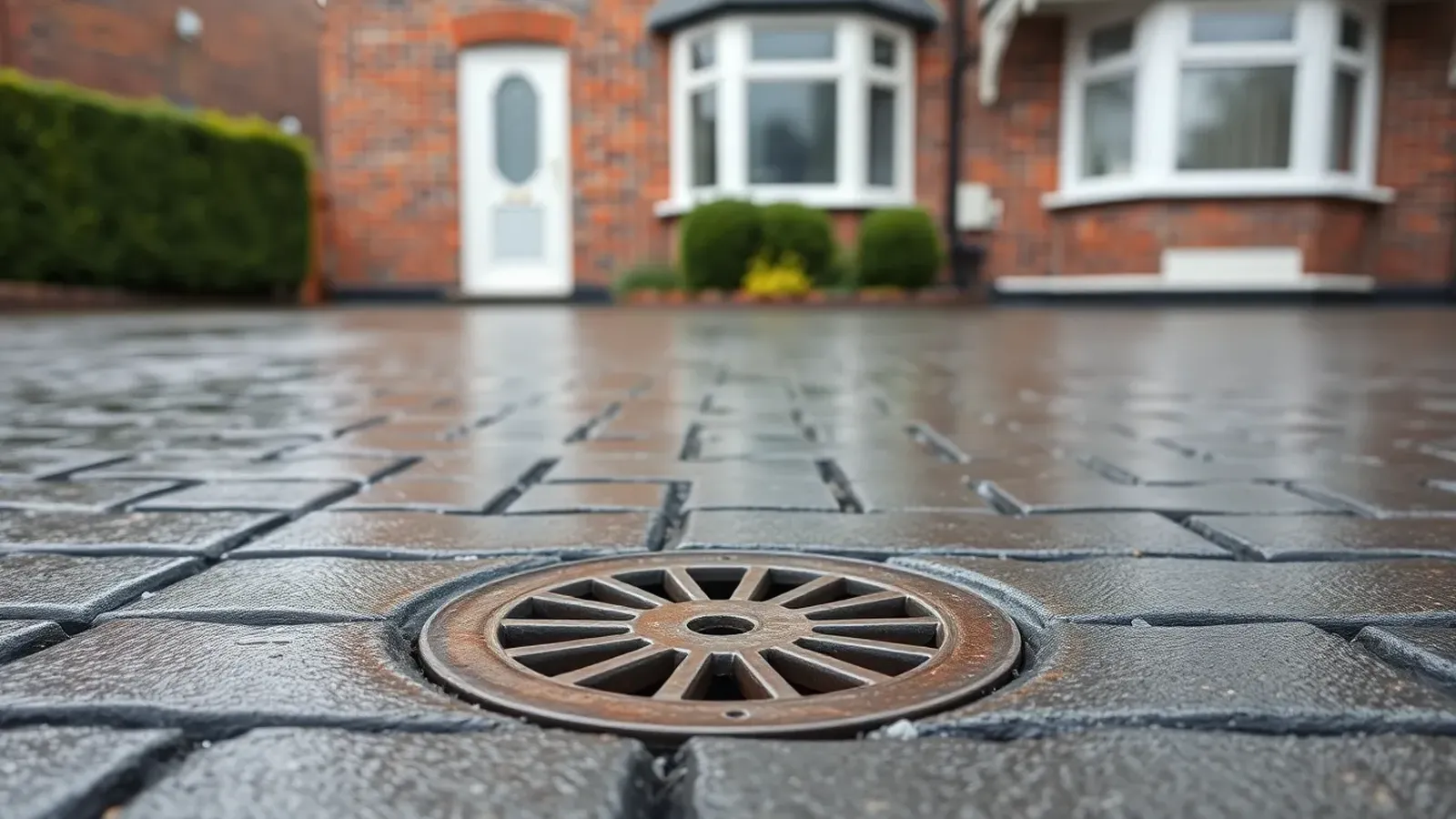
A large part of our work is in Victorian and Edwardian stock in Liverpool and Edwardian-era streets in Birkenhead. In these properties, the kitchen waste often runs through a hopper head on an external wall and into a shared yard gully. A blocked sink in this housing type may not be the sink at all — it may be the gully, silted up with decades of leaf litter. Before you dismantle the trap, walk outside and check the gully is clear. It is the five-second check that saves many customers a callout.
If you have worked through the hierarchy above and the sink is still blocked, request a quote online. We cover the whole of Merseyside seven days a week, and most sink callouts are resolved inside the hour.