TL;DR Kirkby and Huyton grew rapidly as Liverpool overspill housing through the mid-20th century, and the estates built then have a very different drainage layout to the city's Victorian terraces — pipework often runs beneath shared driveways, garage courts, or cul-de-sac turning heads rather than under individual back gardens. That layout changes how a blockage is found and who it's likely to affect. If a drain issue on your estate seems to involve more than just your own property, request a fixed-price quote through our contact form and we'll help you work out what's actually going on.
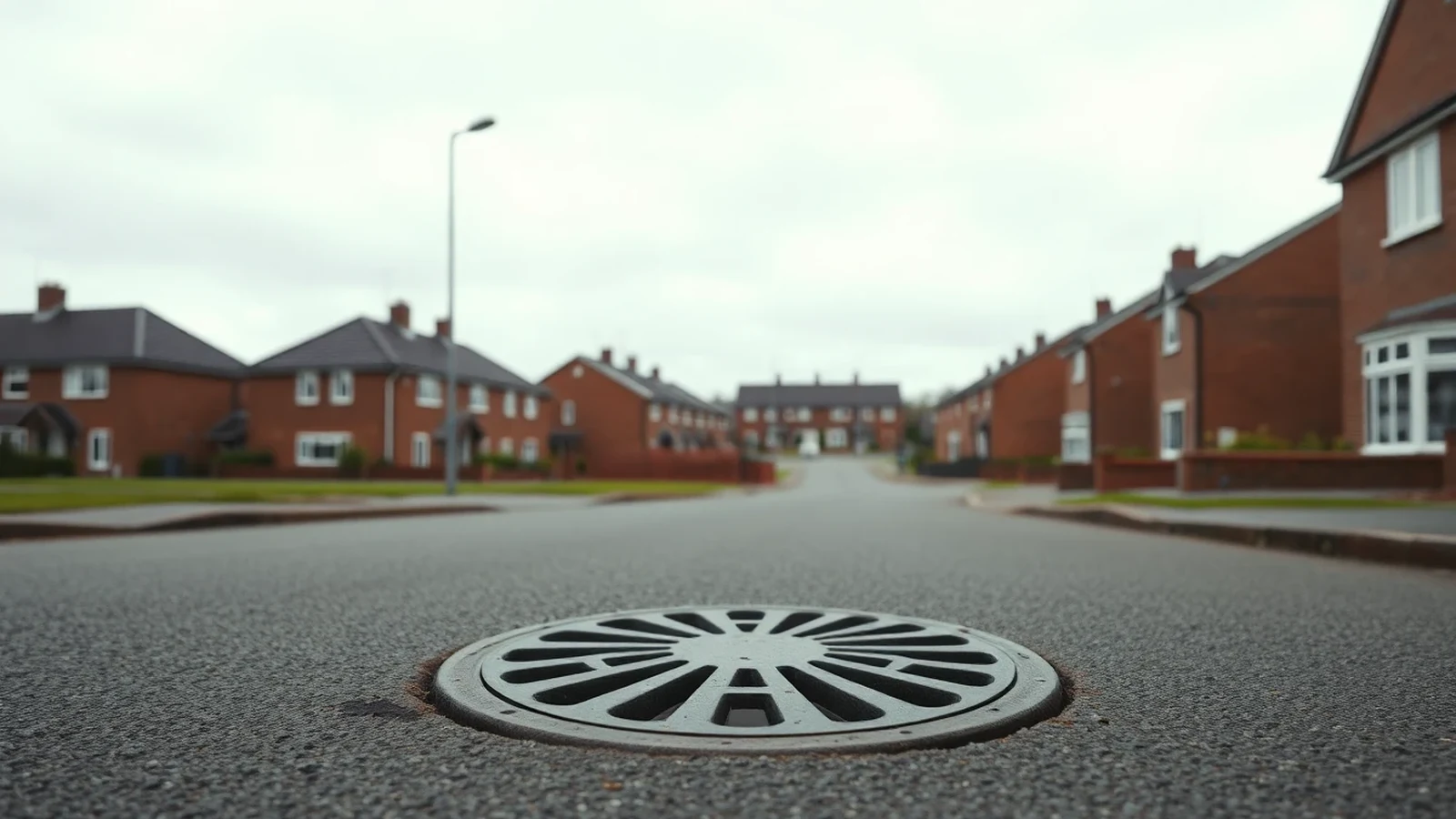
From Overspill Estates to Established Suburbs Much of Kirkby and Huyton was built up through the mid-20th century as part of Liverpool's postwar overspill housing programme, absorbing families moving out of the city's older, denser streets. The estates from that era look and function very differently to the terraces they replaced: wider plots, more off-street parking, cul-de-sacs, and blocks of garages rather than continuous rows of houses fronting directly onto the street.
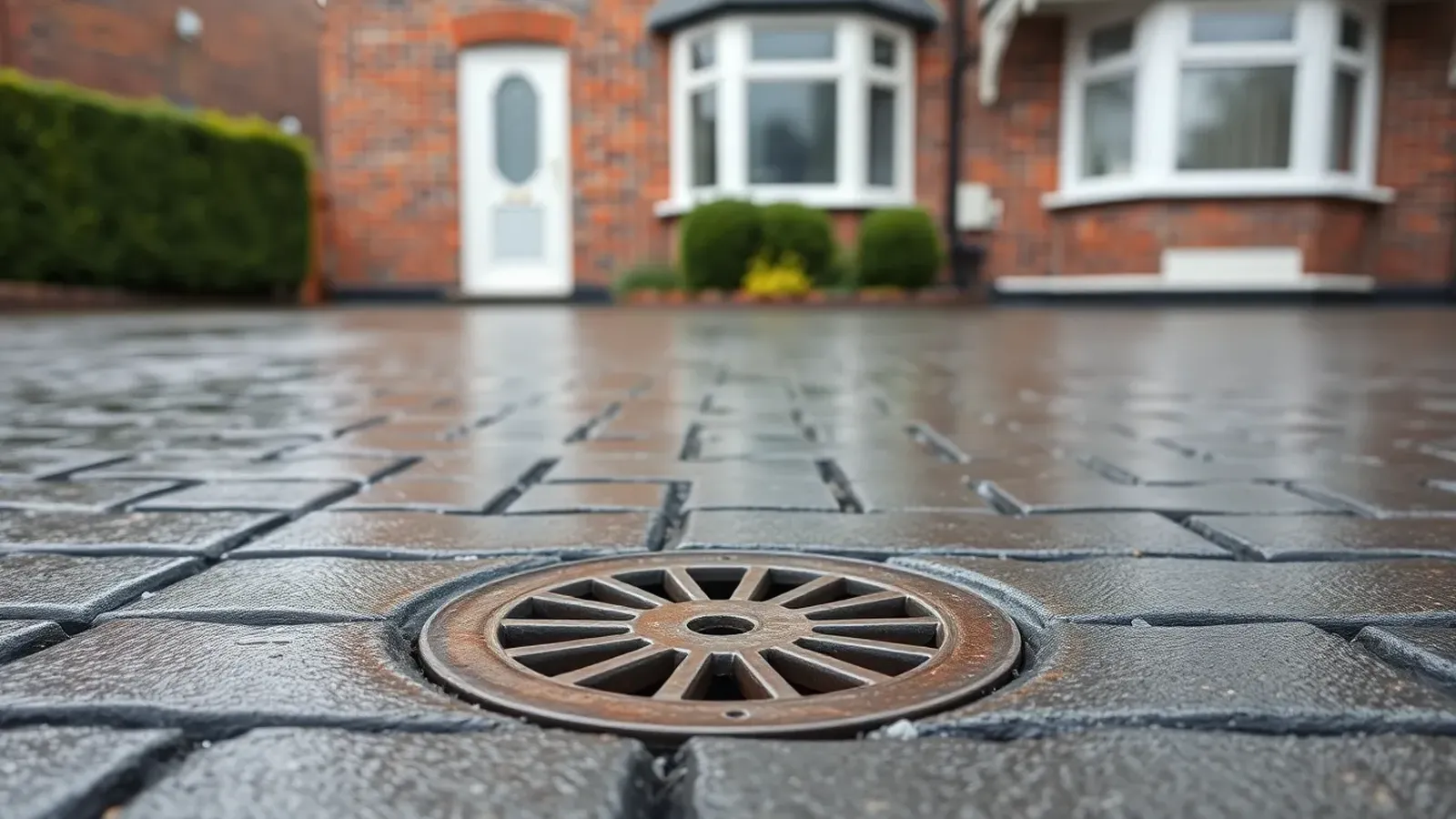
Why the Layout Changes How a Blockage Is Traced That different layout matters underground as much as above it. Rather than a single run down a narrow rear entry serving one row of houses, drainage on these estates more often runs beneath shared driveways, the access road to a garage court, or the turning head of a cul-de-sac, picking up connections from several properties before reaching the public sewer. Finding the actual point of a blockage means establishing which manhole belongs to which stretch of pipe first — something that's far less obvious than it is on a terraced street where the run is usually a straight line from house to alley.
Shared Access Brings Its Own Complications A practical consequence of this layout is that access to inspection covers is sometimes shared, or sits under a parking space that isn't always empty. On estates where several households drain into the same run before it reaches the road, a blockage in one place can show up as a symptom in a neighbouring property, which can be confusing if you don't know the layout is shared in the first place. It's also why, on these streets more than most, it's worth having a word with neighbours if you suspect a shared drain is involved — a survey often needs access to more than one property's manhole to trace the full run.
Getting a Clear Picture Before Anything Is Cleared or Dug This is exactly the situation a CCTV drain survey is built for. Rather than guessing which section is at fault, a camera run through the system shows the actual layout, the direction of flow, and where any defect sits relative to each property's boundary. Engineers record what they find using WRc's MSCC5 classification system, the same industry standard used across UK drainage surveys, so the findings are consistent and can be shared with a neighbour, a landlord, or United Utilities if the fault turns out to sit on the public network.
Clearing the Blockage Once You Know What You're Dealing With Once the layout and the fault are understood, clearing is usually straightforward — drain jetting handles the great majority of blockages on these estates without any digging, and most single-property issues, where the fault sits entirely within your own boundary, are a standard clearance job.
What This Means for Cost The cost driver on a shared estate drain is almost always the tracing, not the clearing. Two neighbouring blockages can look identical from the surface and turn out to be completely different jobs once the layout is understood. Rather than quote blind, the honest approach is a short conversation, a survey if needed, and then a fixed-price quote requested online.
FAQs
Why does a blockage on my estate seem to affect my neighbour's house too? On many postwar estates, several properties share a single drain run to the point where it joins the public sewer. A blockage anywhere along that shared section can show up as a symptom in more than one house at once.
Do I need permission from neighbours before booking a survey? Not to book it, but a survey tracing a shared run may need access to more than one property's manhole cover, so it's worth letting neighbours know in advance if you suspect the drain is shared.
Is my drain private or United Utilities' responsibility? It depends on exactly where a fault sits. Since the 2011 transfer of most private sewers to water companies, a large share of shared pipework connecting to the public sewer became United Utilities' responsibility, though pipework within your own boundary generally remains private. A survey is the clearest way to establish which applies.
If you're in Kirkby, Huyton, or the surrounding estates and want to understand a shared drainage layout before booking any work, get in touch through our contact form. We also cover the neighbouring Bootle area, just along the same side of the city.
#Kirkby
#Huyton
#postwarestates
#CCTVdrainsurvey
#drainaccess