Kitchen drains handle more abuse than any other drain in your home. Between cooking oils, food scraps, soap residue, and everything else that goes down the sink, it's no wonder they're the most frequently blocked drains we see in Liverpool homes.
Why Kitchen Drains Block So Easily
The primary culprit is fats, oils, and grease (often called FOG in the plumbing industry). When hot, these substances are liquid and flow easily down the drain. However, as they cool in your pipes, they solidify and stick to the pipe walls. Over time, this buildup catches other debris and eventually creates a complete blockage.
Daily Habits to Prevent Blockages
Never Pour Grease Down the Drain
This is the single most important rule for preventing kitchen drain blockages. Instead of pouring cooking oil or fat down the sink:
- Let it cool and solidify, then scrape it into the bin
- Pour small amounts into a container and dispose of it with your household waste
- For large amounts of oil, take it to your local recycling centre
Use a Sink Strainer
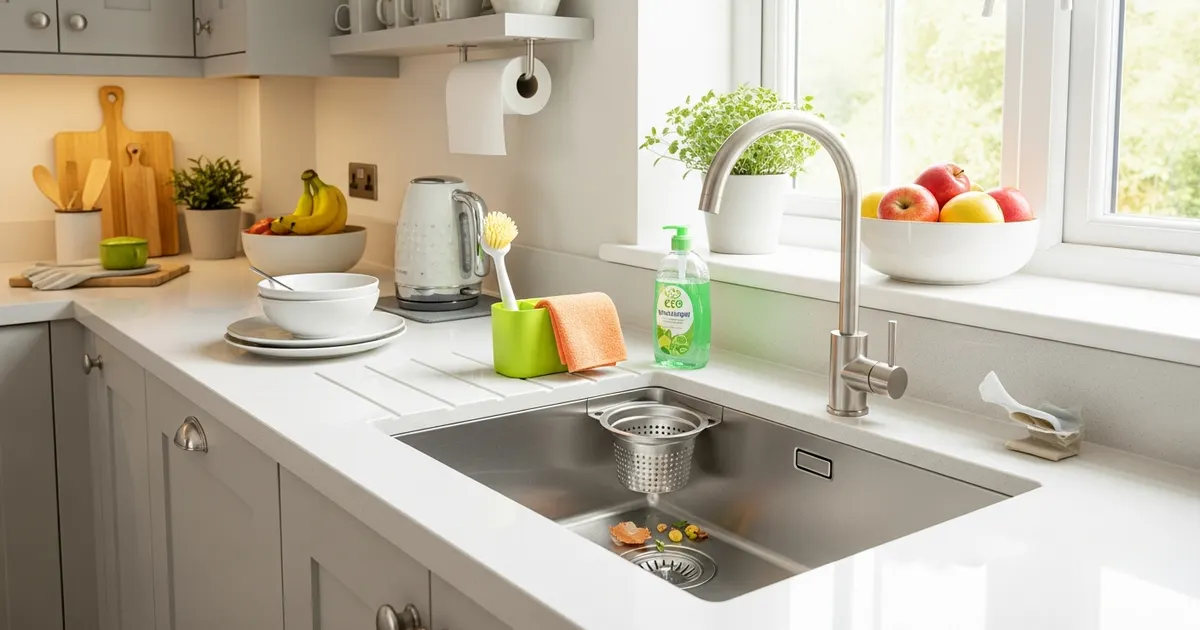
A simple mesh strainer catches food particles before they enter your drain. Empty it into your food waste bin after each use. This inexpensive device can prevent the majority of kitchen blockages.
Scrape Plates Before Washing
Remove all food debris from plates, pots, and pans before they go in the sink. Even with a garbage disposal unit, large amounts of food waste can overwhelm your drainage system.
Run Hot Water After Use
After washing up, run hot water for 15-30 seconds to help flush any remaining residue through the pipes. This is especially important after washing greasy items.
Weekly Maintenance Tips
Hot Water Flush
Once a week, boil a full kettle of water and pour it slowly down the kitchen drain. The heat helps dissolve any grease that may be starting to build up on the pipe walls.
Natural Cleaning Solution
For a deeper clean, try this natural method monthly:
- Pour half a cup of baking soda down the drain
- Follow with half a cup of white vinegar
- Wait 15 minutes while it fizzes
- Flush with boiling water
This helps break down organic matter without using harsh chemicals that can damage older pipes.
What to Avoid
- **Chemical drain cleaners**: While they can clear minor blockages, regular use can corrode pipes
- **Coffee grounds**: Despite myths, they don't clean drains and actually contribute to blockages
- **Flour and starchy foods**: These form a paste-like substance in pipes
- **Eggshells**: They break into small pieces that catch other debris
When to Call a Professional
If you notice water draining slowly despite following these tips, or if you experience recurring blockages, there may be a deeper issue in your drainage system. A professional CCTV drain survey can identify the root cause and prevent future problems.
For persistent kitchen blockages, professional drain jetting thoroughly cleans the pipe walls and removes grease buildup far more effectively than DIY methods. If you have a blocked sink that won't clear, our engineers can usually resolve it within the hour.
Seasonal Tips for Liverpool Homes
Liverpool's climate brings specific seasonal challenges that affect kitchen and external drains alike.
**Autumn** is the most problematic season for drain blockages across Merseyside. Falling leaves from the mature trees common in areas like Sefton Park, Calderstones, and Mossley Hill quickly accumulate in gully drains and external grid covers. When leaves break down, they form a thick, slimy mass that blocks external drainage and can back up into kitchen waste pipes if the two systems share a run.
During autumn, check and clear your external drain grids weekly. A quick lift of the cover and a scoop with rubber gloves takes only a few minutes and can prevent a costly blockage.
**Winter** brings problems too. Cold weather causes the fat and grease already coating your kitchen pipe walls to harden more than usual, narrowing the bore of the pipe faster. Cooking tends to involve richer, greasier food in winter, compounding the problem. Running hotter water after washing up becomes even more important between October and March.
**Summer** sees an increase in outdoor cooking and barbecues — if you are pouring barbecue grease or meat drippings down the kitchen sink, stop. These animal fats are particularly viscous and solidify rapidly in the cooler underground pipe runs beneath your garden.
When to Book Preventative Drain Jetting
If you have never had your kitchen drain professionally cleaned, or if it has been more than two years since the last clean, preventative drain jetting is well worth considering.
High-pressure water jetting scours the inside of the pipe walls, removing years of accumulated grease and soap residue in a single visit. Unlike chemical cleaners, jetting physically removes debris from the system rather than simply dissolving part of it. The result is a fully open pipe bore that drains quickly and is far less prone to future blockages.
Preventative jetting is recommended:
- **Annually** for households with heavy cooking use or large families
- **Every two years** for average household use
- **Before putting a property on the market**, to ensure drains are in good condition for a buyer's survey
- **After a kitchen renovation**, as debris from building work can enter pipes during refitting
The cost of a planned jetting visit is substantially lower than an emergency callout, and the peace of mind is considerable. Many of our customers across Liverpool, Wirral, Southport, Bootle, Birkenhead, and surrounding Merseyside areas set up annual drain maintenance visits to keep their systems running freely year-round.
Understanding Your Kitchen Drain Anatomy
Knowing how your drainage system is laid out helps you maintain it more effectively. From your kitchen sink, waste water flows through the U-bend (or bottle trap) beneath the sink — the curved section designed to hold water and block odours. It then travels along a horizontal waste pipe to either a gulley outside your house or direct connection to the underground drain.
In Liverpool's older terraced properties, the underground section typically runs beneath the rear yard and connects to a shared back-entry drain serving several houses in the terrace. This is especially common in areas like Walton, Bootle, and Crosby, where Victorian terracing dominates. This shared section is where grease accumulates most — it is the lowest common point that all household waste passes through. It is also the section most likely to cause problems for multiple neighbours simultaneously if blocked.
Knowing that your drain connects to shared infrastructure is a good reason to be especially careful about what you pour away. Your grease enters a communal system where it combines with grease from adjacent properties. The accumulation is faster and the consequences of a blockage are wider-reaching.
Hard Water and Scale Buildup in Merseyside
Liverpool sits in a moderately hard water area. Hard water contains dissolved calcium and magnesium that deposit as limescale on surfaces, including the inside of pipes. In kitchen drains, limescale interacts with grease and soap residue to form a particularly stubborn compound that is harder to shift than either substance alone.
If you have noticed white chalky deposits around your tap bases or kettle element, you are likely experiencing some limescale buildup in your pipes as well. Descaling treatments and regular jetting are especially important in hard water areas. A water softener, while primarily installed for appliance protection, can also reduce the rate of limescale accumulation in drainage pipes.
Contact Blocked Drains Liverpool for expert advice and assistance — get in touch online.