TL;DR Wavertree and Allerton's tree-lined avenues and larger semis often still have space for a front garden — but decades of driveway and parking conversions mean a lot of that space no longer soaks up rain the way it used to. When hard, non-permeable surfacing replaces lawn, that water has to find another route, usually into the road gully or a garden soakaway that was never sized for the extra flow. If your garden or driveway is holding water after rain, request a fixed-price quote through our contact form and we'll look at where the water is actually going.
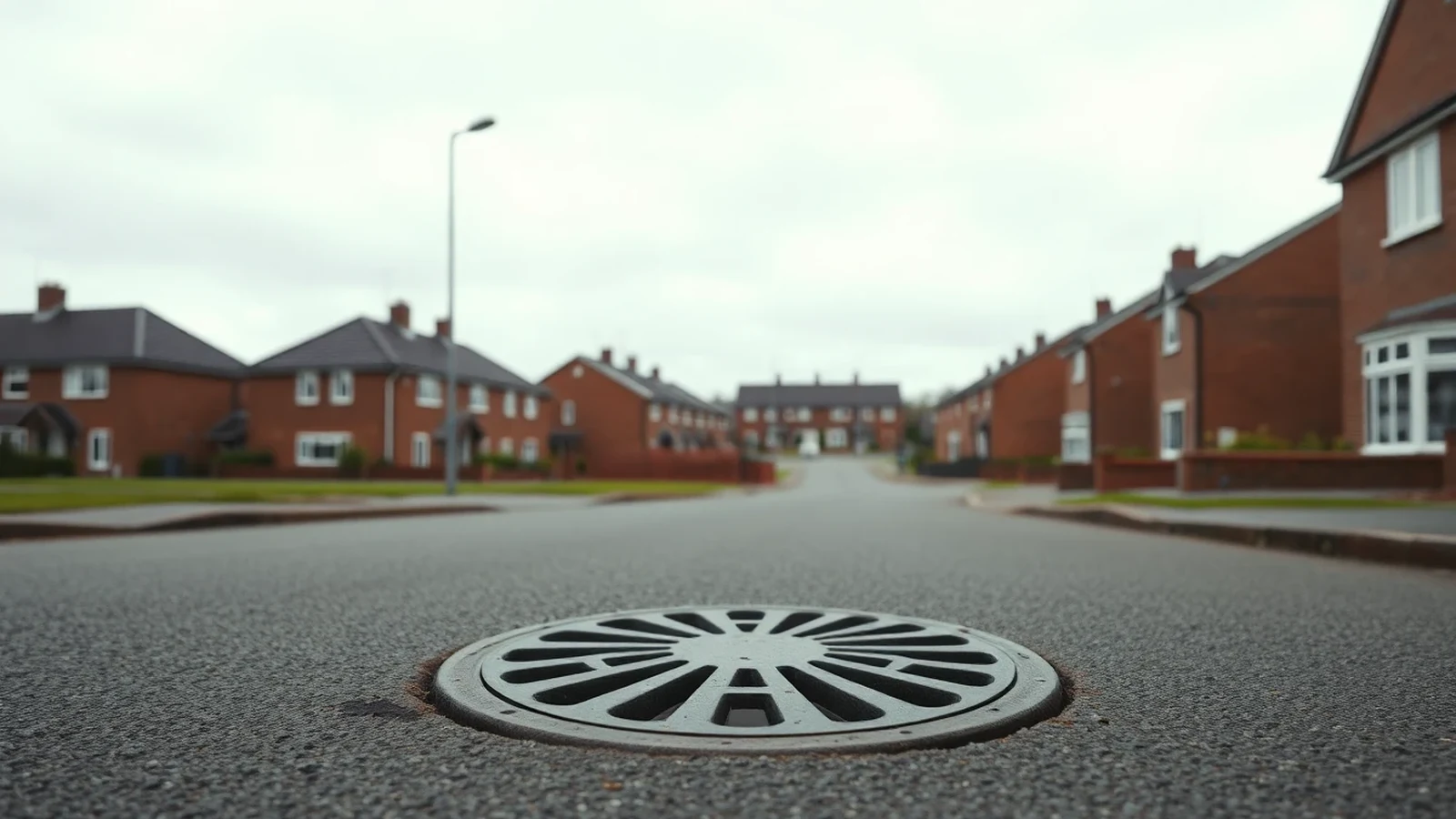
A Different Housing Pattern to the Inner City Areas like Wavertree and Allerton grew up with more generous plots than the dense terraces closer to the city centre — semi-detached and detached houses, mature street trees, and front gardens that were, originally, gardens. Over the decades, many of those front gardens have been paved, gravelled, or block-paved for off-street parking. Individually, one converted driveway makes little difference. Across a whole avenue, it changes how much rainwater the local drainage system is actually asked to deal with.
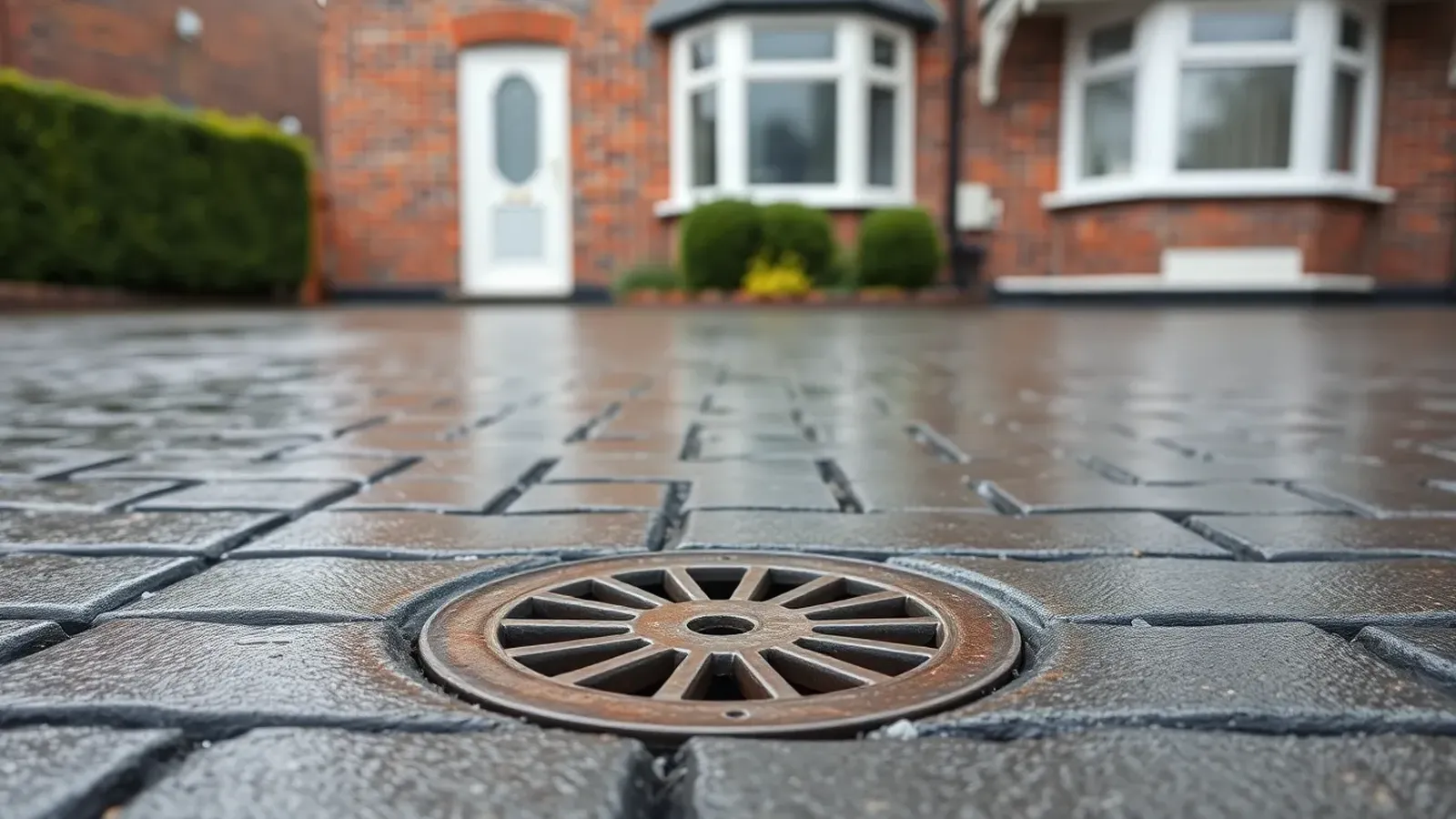
Why Surface Type Matters More Than People Expect Grass and soil absorb a meaningful amount of rainfall before any of it reaches a drain. Solid, non-permeable surfacing — standard block paving or slabs laid without any provision for drainage — sends that same rainfall straight off the surface instead. National planning guidance on hard-standing generally expects permeable surfacing, or drainage that discharges to a garden area rather than the highway, once a paved area passes a certain size, precisely because of this effect. Whether or not a particular driveway needed planning permission when it was laid, the underlying physics doesn't change: more hard surface means more water reaching your pipework and the public network faster, in the same storm event.
Garden Soakaways Under More Pressure Than They Were Designed For Where a property drains surface water to a soakaway rather than a sewer, that soakaway was sized for the garden as it existed at the time — not for a driveway added years later. A soakaway that's been quietly coping with a smaller catchment area can become inadequate once more of the garden is impermeable, showing up as standing water, a slow-draining garden, or water tracking back towards the house in heavy rain. Mature trees, common on these streets, add a second factor: roots seeking out moisture around an ageing soakaway or the drain feeding it can reduce how well it clears.
Getting an Accurate Picture Before You Act Because surface water problems can come from several places at once — an undersized soakaway, a blocked gulley, root ingress, or simply more hard standing than the system was built for — a CCTV drain survey is usually the most useful first step before any remedial work. If the issue turns out to be debris or silt rather than a structural fault, drain jetting will often clear it without any excavation.
What This Means for Cost There's no single answer to "what will this cost," because a blocked gulley and a failed soakaway are very different jobs. The honest first step is a survey to establish what's actually happening, followed by a fixed-price quote requested online based on what we find — not a guess based on the postcode.
FAQs
Does converting my front garden to a driveway affect my drains? It can. Replacing grass or gravel with solid, non-permeable paving reduces how much rain soaks away on-site and increases how much reaches your drainage or the road. This is exactly why current planning guidance favours permeable surfacing for new hard-standing.
What can I do if my garden already floods after rain? Start by establishing where the water is meant to go — a soakaway, a garden drain, or the surface water sewer — and whether that route is actually clear. A survey is the most reliable way to find out rather than guessing.
Is a soakaway the same as a drain? No. A soakaway is a below-ground structure that allows surface water to disperse into the surrounding soil, rather than carrying it away in a pipe to a sewer. The two can interact, but they work in different ways and fail for different reasons.
If you're in Wavertree, Allerton, or the surrounding avenues and want a clear answer on where your surface water is going, get in touch through our contact form. For coverage across the rest of the city, see our Liverpool drainage page.
#Wavertree
#Allerton
#surfacewater
#drivewaydrainage
#soakaway