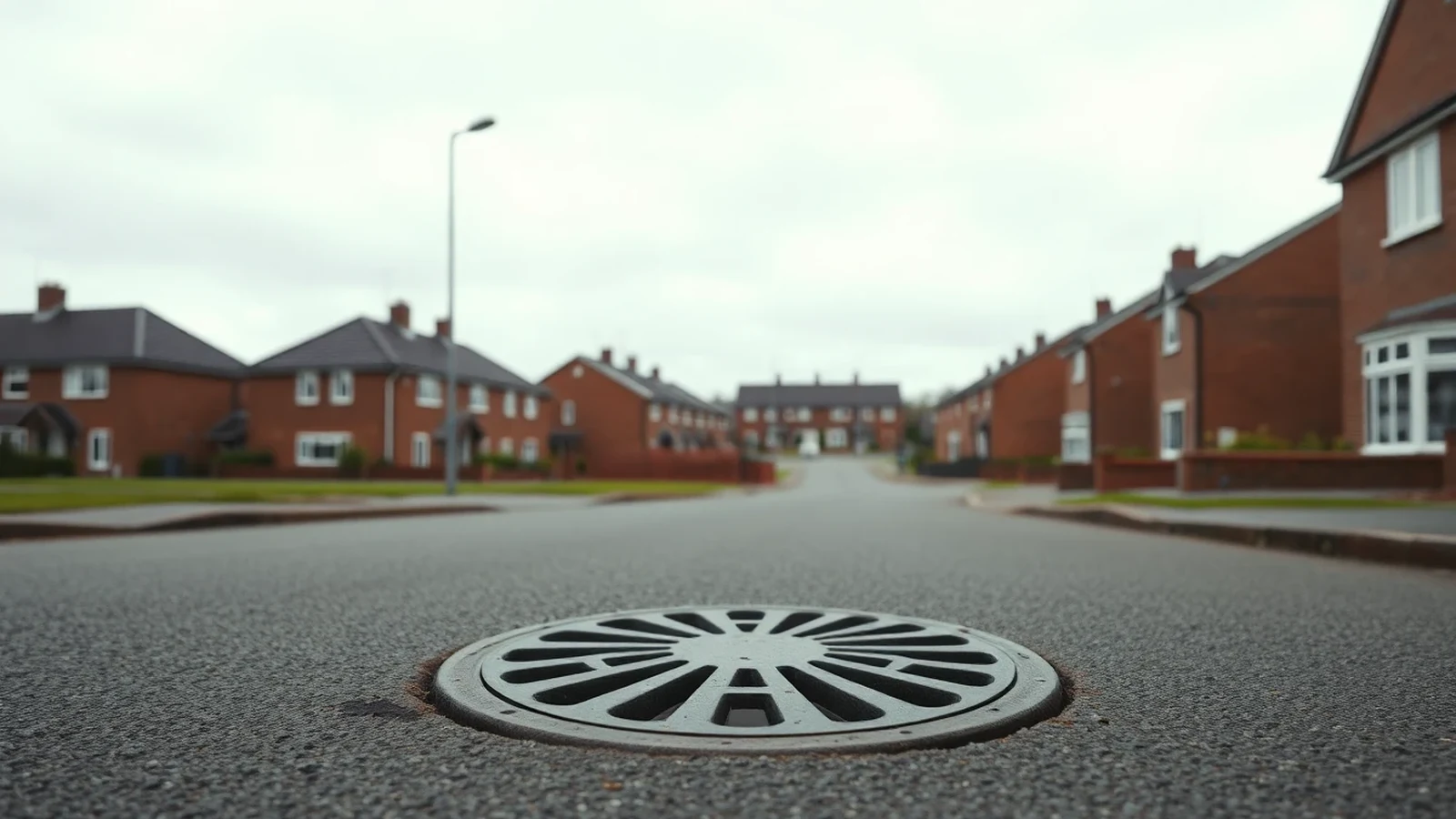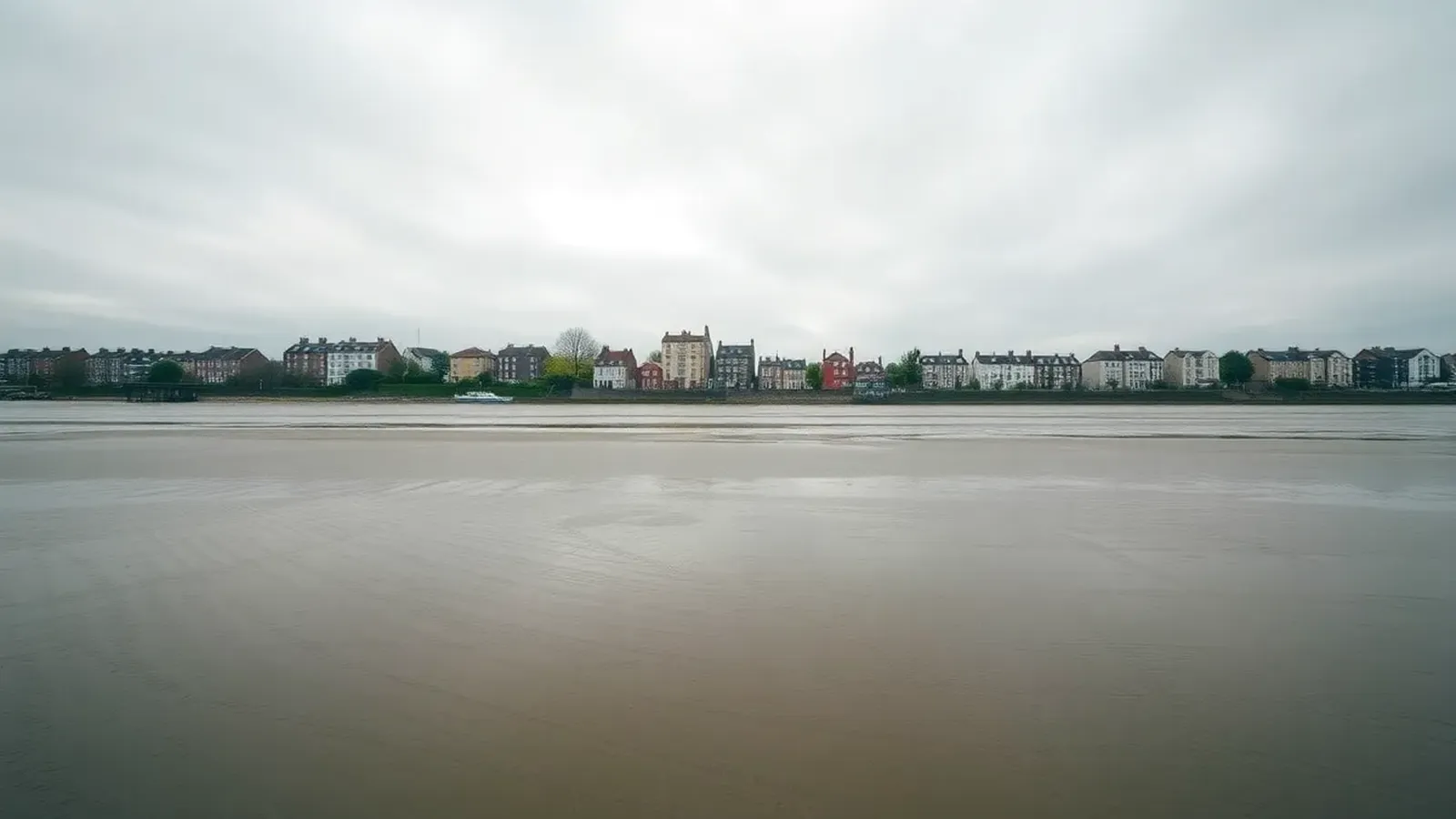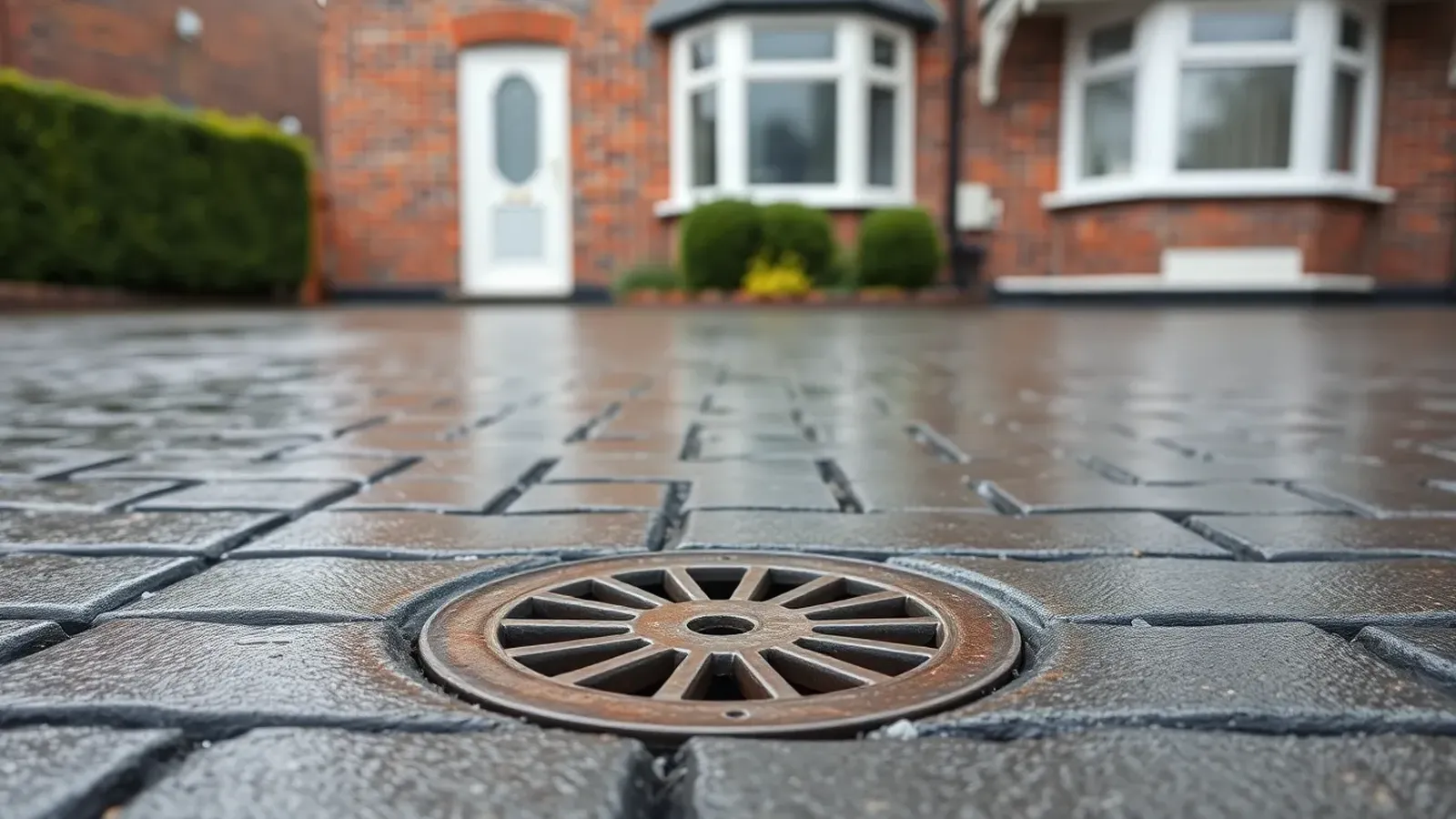
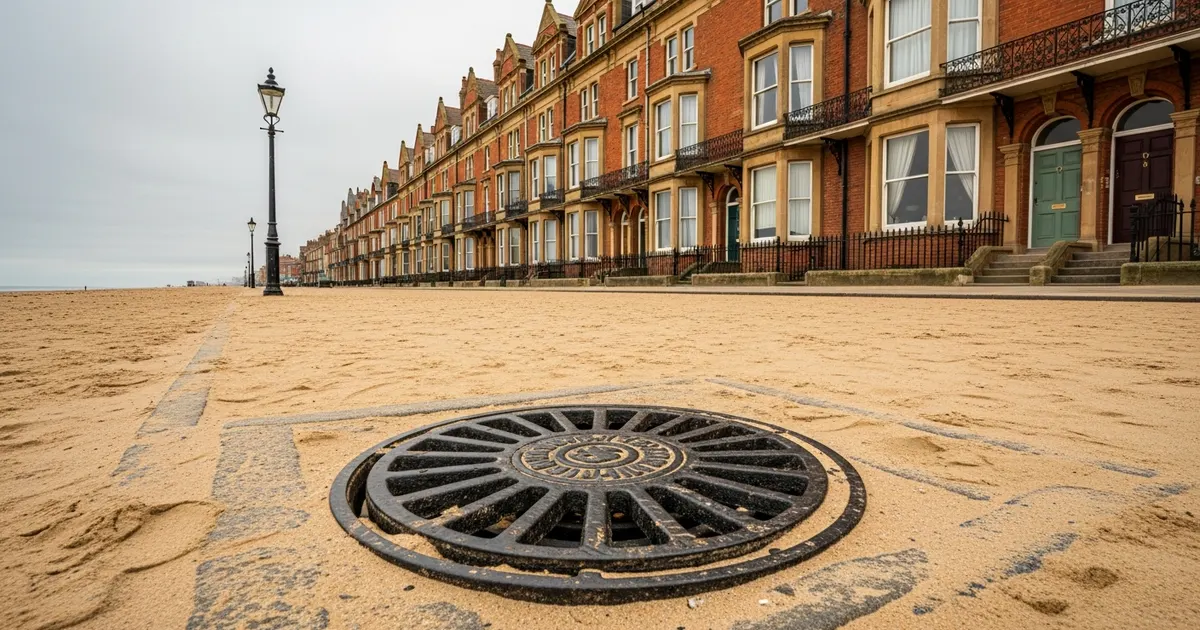
Southport is the northernmost of the towns we cover, and drainage-wise it is the most distinctive. Where Liverpool's drain problems are driven by Victorian clay, pitch fibre estates, and urban tree roots, Southport's are driven by sand — migrating, compacting, silting drains from the coast inland — and by a resort-era drainage heritage that is now pushing 150 years old in places.
This is a guide to what we actually see across Southport, Birkdale, Ainsdale, Churchtown, Hillside, and nearby Formby, and what to do about it.
The Geography Matters
Southport is built on a sand spit. The underlying geology is blown sand over alluvium, with the water table rarely far below the surface and often very close to it in winter. The town extended outwards through the 19th century as a Liverpool seaside resort, with grand villas along Lord Street, the Promenade, Park Road, and through Birkdale village.
Three drainage consequences follow from that geography:
- **Sand migrates into drains.** Groundwater carries fine sand through any crack or open joint. Over decades, drain bases accumulate a sand layer that reduces capacity and eventually blocks.
- **The water table rises in winter.** Drains that run dry-season at 1 metre depth are submerged in winter. Any defect lets groundwater in, meaning domestic drains running at capacity with clean water before you even turn a tap on.
- **Storm drainage is everything.** A Victorian resort was built for strolling visitors, not for 21st-century flash rainfall on hard-surfaced driveways. The promenade and seafront storm drains are the front line, and they do not always cope.
Birkdale and Churchtown Victorian Villas
The streets off Lord Street — Trafalgar Road, Avondale Road, Westcliffe Road into Birkdale — are lined with substantial Victorian and Edwardian villas on generous plots. These houses have drainage infrastructure that predates the First World War. What we find on survey is a predictable pattern:
- **Original salt-glazed clay**, still largely serviceable but with displaced joints where ground has moved.
- **1960s and 1970s repair-in-kind** where sections have been replaced with pitch fibre. This is now the weakest link — deformed into an oval, reducing capacity by a third or more.
- **Later PVC extensions** where conservatories or rear kitchens have been added, often badly jointed to the original runs.
A CCTV drain survey on one of these houses is rarely uneventful. We routinely find three generations of pipework with three failure modes on a single run. The question is not "is there a defect" but "which defects need repair and which can be monitored."
For buyers considering these properties, the pre-purchase survey is genuinely load-bearing information — see our guide on CCTV drain surveys for home buyers. A villa with significant upcoming drainage work is a different purchase from a villa without, and only a survey tells you which one you are looking at.
Sand Migration and Silting
This is the Southport-specific issue. In Liverpool you rarely see sand in a drain. In Southport you find it on most jobs. The mechanism:
- Groundwater moves through the sandy subsoil towards any lower-pressure void — a drain with a crack, an open joint, a failed bedding.
- The water carries fine sand in suspension. Once inside the drain, flow velocity drops and the sand settles.
- Over years, a silt layer builds in the base of the drain. Capacity reduces. Solids begin to catch. A smell develops. Eventually, a blockage.
Jetting removes the sand — a high-pressure jet lifts it out and flushes it to the main sewer. But jetting alone does not fix the cause. If the underlying defect is an open joint at 1.8 metres depth in an Ainsdale garden, the sand is back within 18 months.
The proper fix for chronic sand ingress is a drain repair, usually lining the affected section to seal joints. Once the pipe is watertight, sand cannot enter. Our pipe relining vs excavation guide sets out how that choice is made.
Low Water Table in Winter
In Ainsdale, Hillside, and the lower-lying streets near the Marine Lake, the winter water table comes within a metre of the surface. This causes two specific problems:
- **Groundwater infiltration.** Any drain defect becomes a groundwater inlet. Homeowners report "the drain is always running" — and it is, because groundwater is entering through a crack.
- **Soakaway failure.** Surface-water soakaways cease functioning when the ground around them is already saturated. Driveways flood; patios hold standing water; rainwater downpipes back up and surcharge at ground level.
The companion guide on soakaway problems and garden flooding covers the soakaway side in detail. For Southport specifically, the sensible solution is often to convert surface-water disposal to the combined sewer where permitted, or to a modern attenuation system with a positive discharge, rather than trying to rehabilitate a soakaway that will fail again next winter.
Promenade and Seafront Storm Drainage
The storm drainage network along the Promenade, Marine Drive, and the coastal roads is a United Utilities and Sefton Council responsibility — but the gullies feeding it are often homeowner-maintained where they cross private land. What happens in a summer storm:
- Sand and debris block gullies.
- Surface water finds the low points — car parks, ground-floor access to Promenade properties, the approach to Lord Street.
- Surcharged highway drains back up into private driveways and basement light-wells of the older villas.
If your property is backing up during storms, the first question is whether the fault is on your pipework or on the adopted network. A CCTV survey from your last private manhole to the highway tells us which. Responsibility attaches to the answer, and getting United Utilities to act without evidence is slow.
Formby and the Pine Woods
Formby sits south of Southport in our coverage area. The drainage character is similar — sand, rising water table — but with the addition of mature Scots pine roots. The pine woods extending into residential streets drive root ingress into drains that would otherwise be in good order. Quarterly or biannual jetting is often the sensible maintenance schedule for properties within 20 metres of established pines.
Working on Southport Drains
Three things we watch for on Southport jobs that are less common elsewhere:
- **Shared infrastructure on Victorian villa plots.** Two, three, or four houses may share a single run to the main sewer. Responsibility for repair and cost apportionment is a recurring conversation.
- **Conservation area reinstatement.** Work in Birkdale village and around Lord Street sometimes requires specific reinstatement standards that add cost — we flag this at quote stage.
- **Deep runs in the old town.** Some of the earliest 1870s runs are 2.5 to 3 metres deep because of the historical ground levels. Excavation gets expensive quickly.
For emergencies, we cover Southport with the same response standard as the rest of Merseyside — request a quote online and we will be on site promptly for flooding or sewage emergencies, with urgent jobs prioritised. For planned work, CCTV surveys, and drain repairs, Blocked Drains Liverpool provides fixed-price quotes on the basis of a recorded survey. We work across Liverpool, Crosby, and north into Southport as part of our standard coverage.