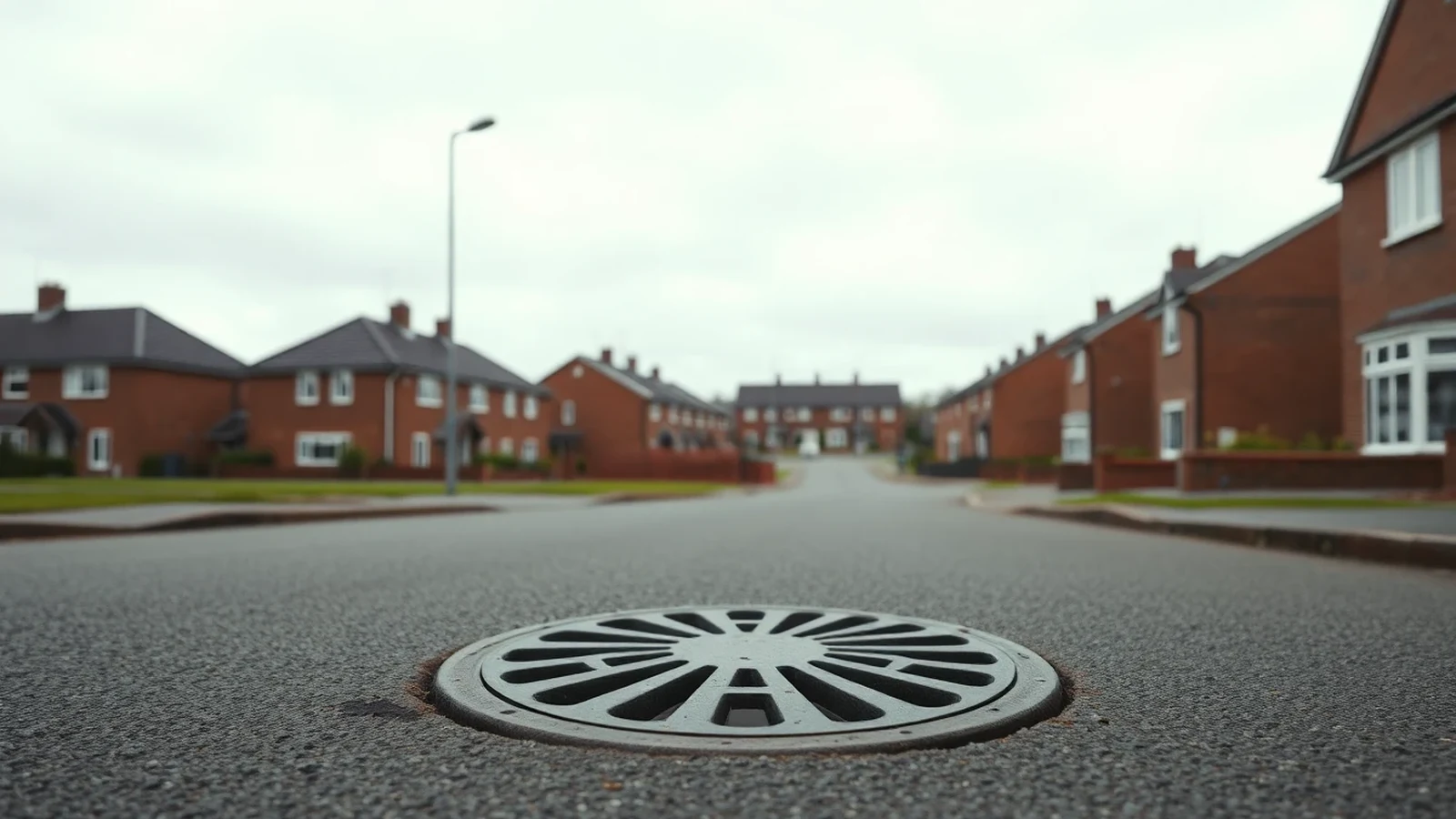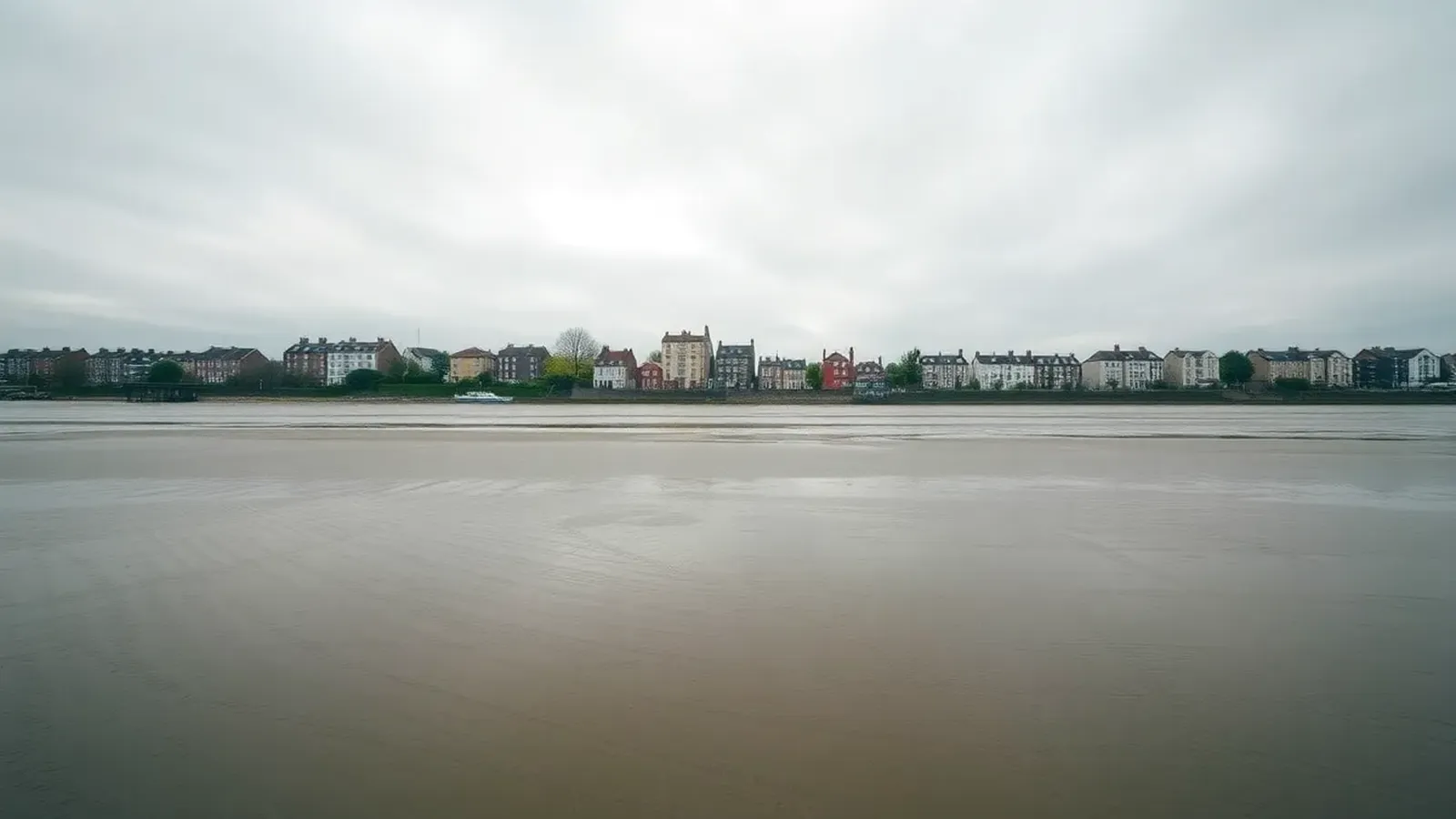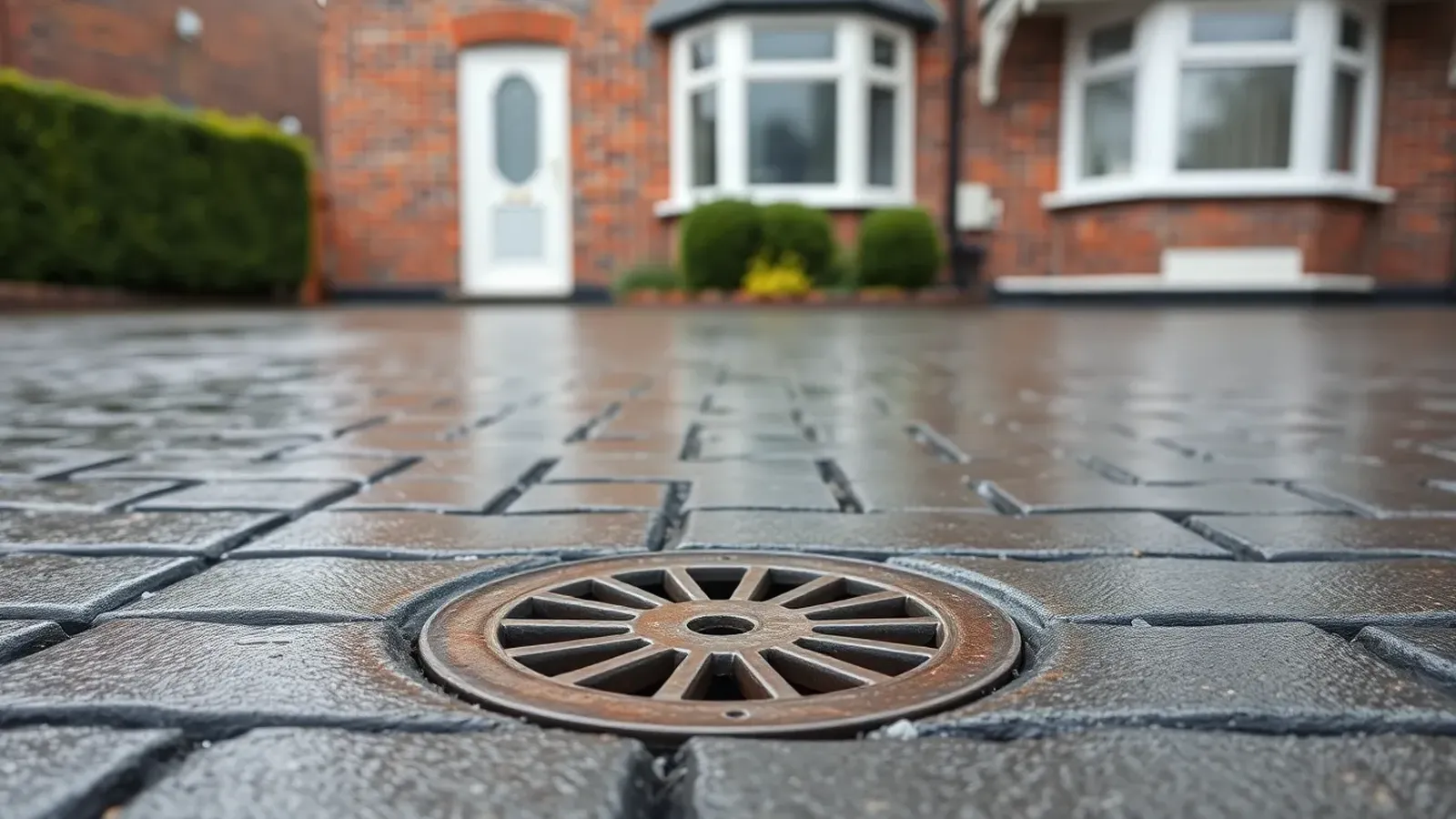
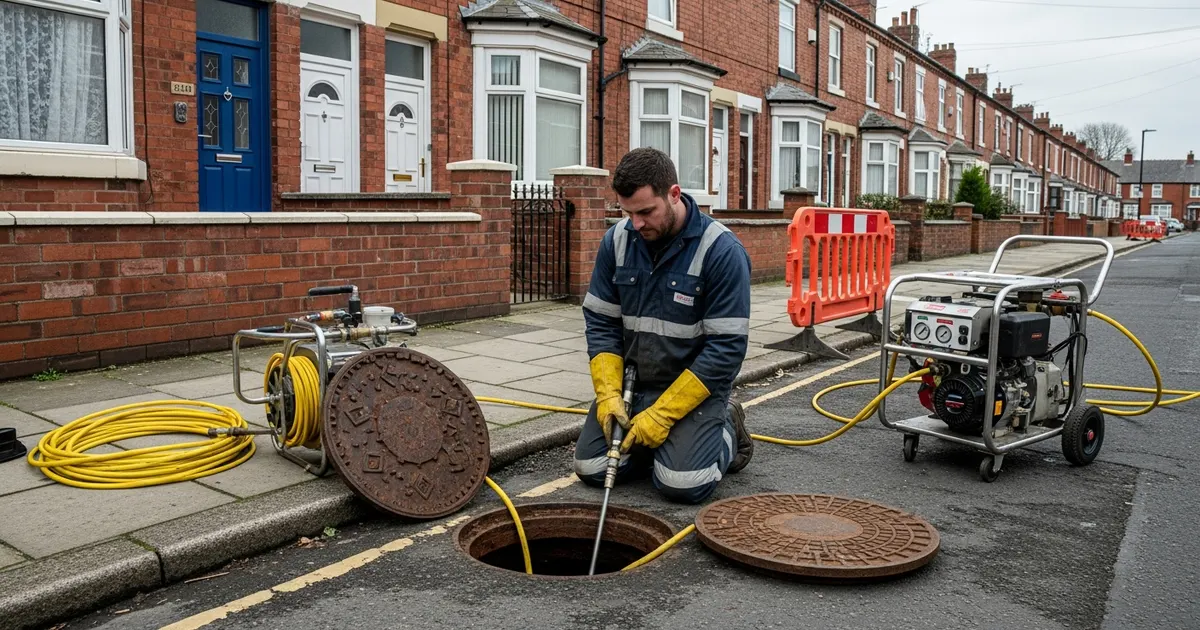
Bootle and Walton sit immediately north of Liverpool city centre, sharing so much in common that drainage engineers treat them as a single operational zone. The housing stock is broadly similar, the drainage history is closely linked, and the problems we attend week in, week out follow the same patterns across both areas.
At Blocked Drains Liverpool our engineers attend jobs in Bootle and Walton every day of the week. This guide draws on that day-to-day experience to explain what is actually underneath the streets in these areas, why the drains behave as they do, and what you should expect if you need drainage work in either part of Merseyside.
The Housing Stock and What It Means for Drainage
The dominant housing type in both Bootle and Walton is Victorian and Edwardian terrace, built between 1870 and 1914 to house workers serving the Liverpool docks and the manufacturing plants along the Bootle waterfront.
The drainage built to serve these terraces was 100mm salt-glazed clay pipe, laid in 600mm sections with rigid mortar joints, discharging via a combined foul and surface water system to the main public sewers. That infrastructure is now between 110 and 155 years old. Ground movement from tidal influence, vibration from heavy goods vehicles, and the cumulative stress of 150 years of loading have displaced joints, cracked barrels, and allowed tree roots into pipes that were already compromised.
Bomb Damage, Post-War Rebuilding and Drainage Anomalies
Bootle suffered some of the most concentrated bomb damage of any area in the United Kingdom during the Second World War. Post-war rebuilding through the 1950s and 1960s has left a drainage inheritance that is less homogeneous than the Victorian stock — mixing new post-war clay and early grey uPVC pipe laid into old Victorian drainage infrastructure that survived the bombing. These transitions between dissimilar materials are potential weak points, particularly when ground movement applies differential stress across a joint.
Our CCTV drain surveys frequently turn up these mixed-material anomalies in Bootle and Walton. They need to be documented so that any pipe repair or relining work is specified correctly.
Typical Drainage Problems in Bootle and Walton
Root Ingress from Mature Street Trees
Bootle and Walton have significant mature tree populations along their main residential streets. Council-planted limes and sycamores are common on streets like Balliol Road, Bedford Road, and the older sections of Queens Road in Bootle, and on the avenues around Walton Hall Park. These trees are contemporary with the clay pipe systems beneath them — both planted in the late Victorian period — and the roots and drains have been in competition for 130 years.
Root ingress shows in the usual way: recurring blockages that clear with jetting but return within weeks. Jetting removes the mass, but lining the compromised joint is the only durable fix. Our drain jetting teams carry liner stock for exactly this scenario.
Silt Accumulation on Back-Entry Gullies
The shared back-entry gully drainage on Bootle and Walton terraces is a consistent source of problems. Without regular clearing, these gullies silt progressively until they are operating at 30 to 40% capacity. We attend gully blockages and surcharging across dozens of Bootle and Walton back entries every year. Many of them have not been properly cleared in years.
Drain Ownership Confusion in Back Entries
The 2011 transfer changed the ownership of thousands of shared drain runs, including many of the back-entry runs in Bootle and Walton terraces. We regularly attend properties where a homeowner has been paying a drainage company for annual clearance of a shared back-entry run that is, in fact, now a public sewer that United Utilities is responsible for maintaining. We cover this in detail in our post on United Utilities and Merseyside sewer ownership.
Tidal Surcharge Near the Docks
Properties closest to the Seaforth container terminal, Canada Dock, and the stretch of Regent Road nearest the dock estate sit in an area where surface water drainage is affected by tidal conditions in the Mersey. At high tide, particularly during spring tides, surface water outfalls on the dock side of the road can back up, causing gullies to fill from below and yard drainage to reverse.
The problem is intermittent and tide-dependent, which means it is often misdiagnosed as a straightforward blockage. The practical fix for individual properties is a non-return flap valve in the lateral where it connects to the main drain, preventing tidal backflow from reaching the yard gully.
Response Times
Blocked Drains Liverpool operates from its Liverpool base and reaches Bootle or Walton promptly after a callout booking. For emergency drain work we aim to be on-site quickly, seven days a week, with urgent jobs prioritised. Non-emergency survey and jetting appointments can usually be booked at a time that suits you.
We cover every street in both areas, from the Seaforth shoreline to the northern edges of Walton Hall Park. If you have a drain problem in Bootle or Walton, request a quote online. We will be direct about what we find, what needs doing, and what it will cost before any work starts.