TL;DR Anfield and Toxteth's terraced streets were built on Victorian-era clay drainage, often shared between neighbouring houses and routed down rear entries rather than front gardens. That age and layout — not anything unusual about the households living there — is why blockages tend to be more frequent, and why a CCTV survey is often the fastest way to see what's actually happening underground. If you're dealing with a recurring blockage on one of these streets, request a fixed-price quote through our contact form and we'll talk through what a survey would involve before any work starts.
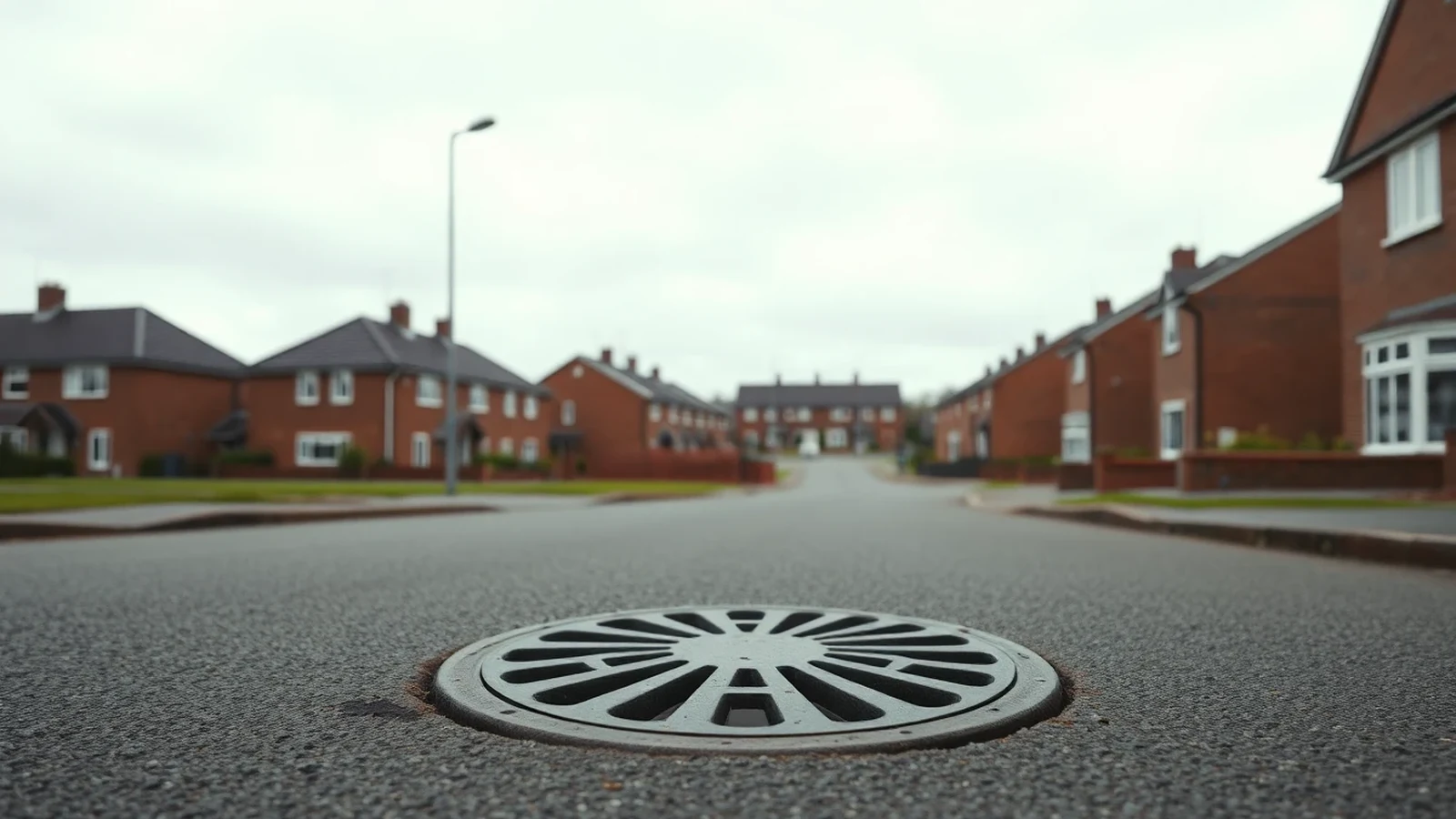
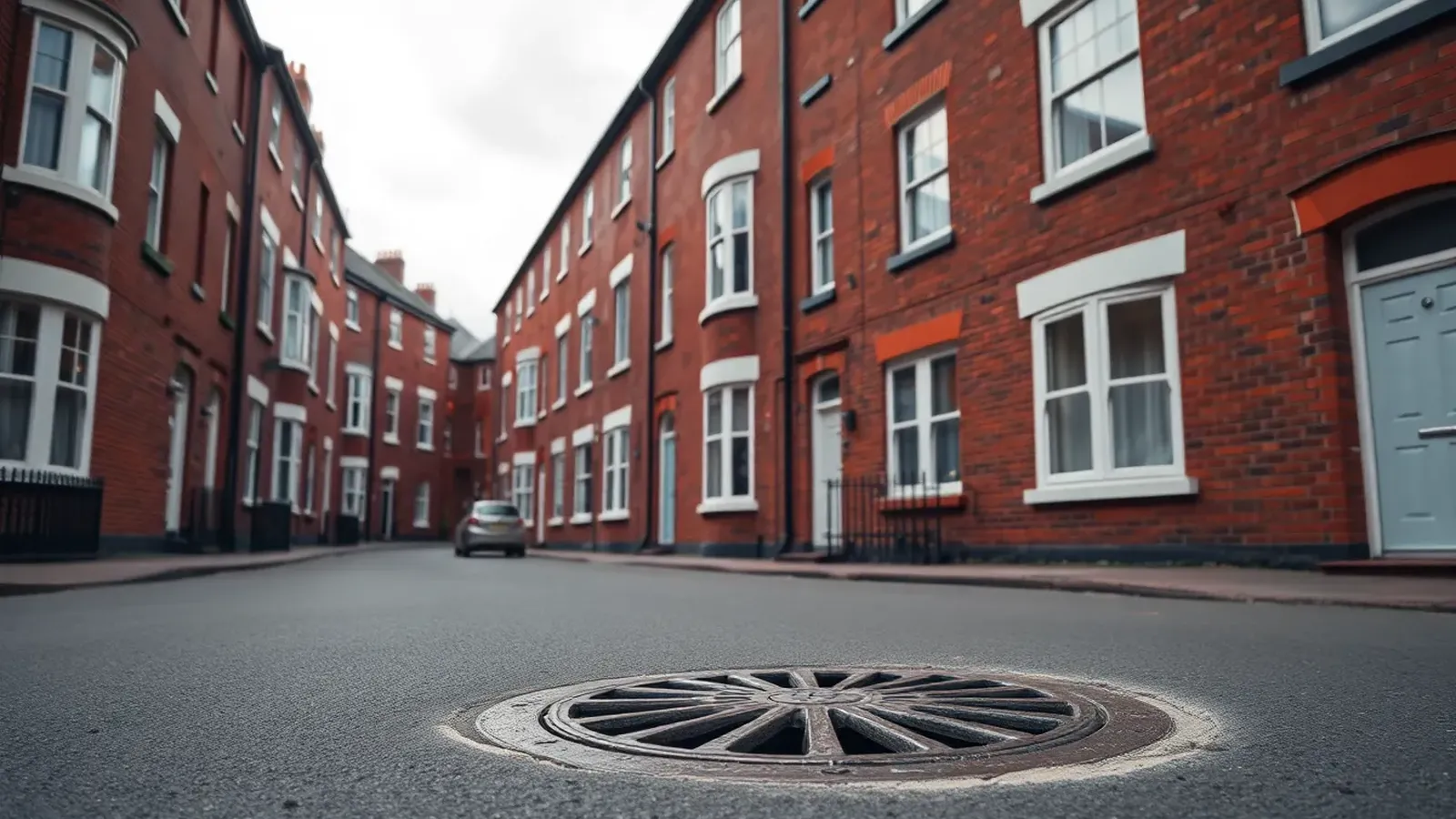
Why the Housing Stock Matters Much of Anfield and Toxteth was built up between the 1870s and the early 1900s, in the dense rows of bay-fronted terraces that define these neighbourhoods. The drainage laid beneath those streets is, in most cases, original or close to it: vitrified clay pipework, jointed in short sections, running through narrow rear entries or "backs" rather than under front gardens. Compare that to a 1990s Kirkby cul-de-sac with continuous plastic pipe and a modern manhole layout, and the difference in how the system behaves is significant, even though both are still, technically, just drains.
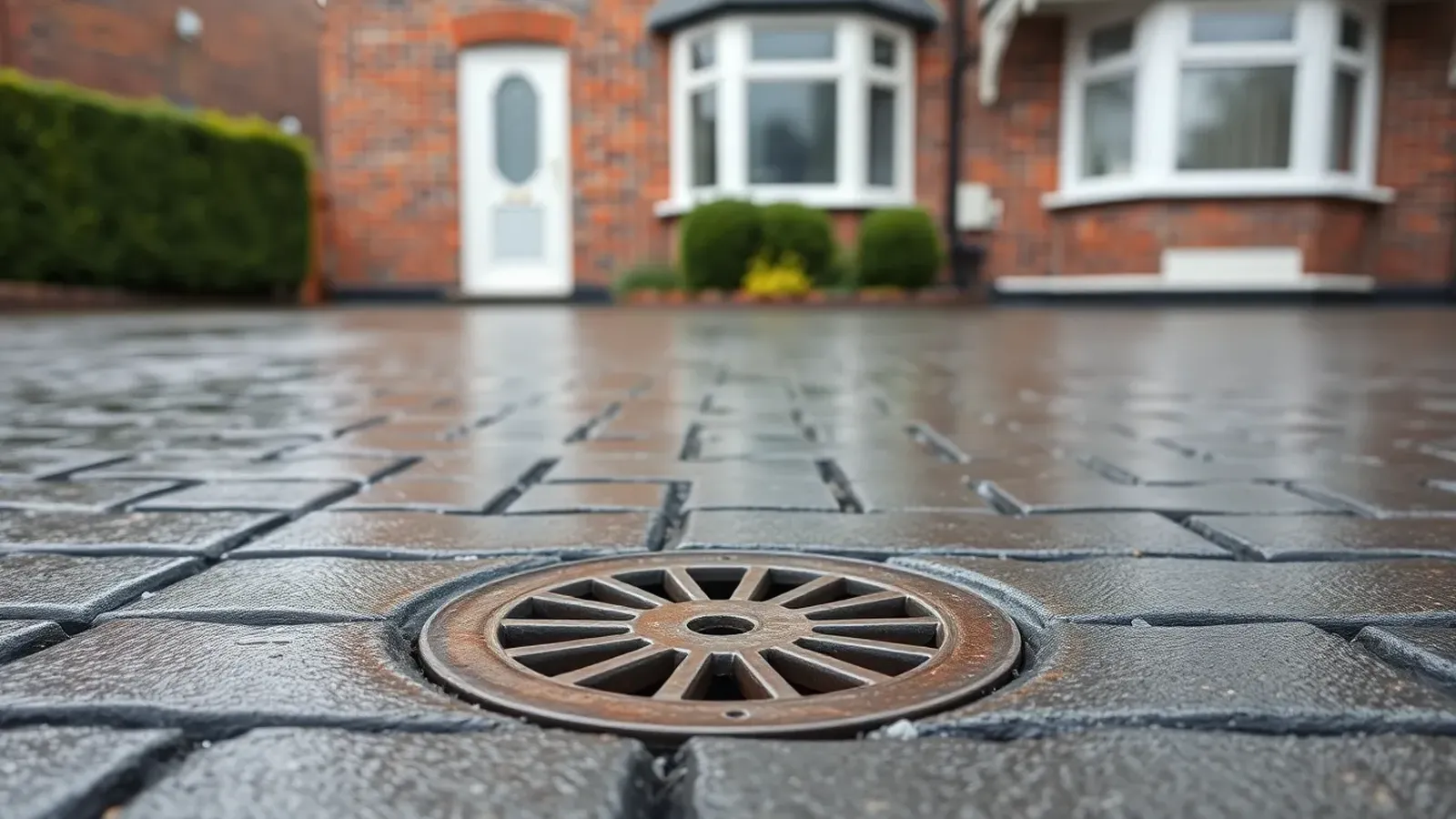
What Actually Goes Wrong Underground Clay drainage itself isn't a poor material — it's durable and still specified today — but a century of ground movement, tarmac resurfacing, and nearby building work takes its toll on the joints between sections. Drainage engineers classify what they find during a survey using WRc's Manual of Sewer Condition Classification (MSCC5), the industry-standard coding system for defects such as fractures, displaced joints, and deformation. In terraces like these, displaced joints and root ingress at joint lines are common findings, because tree roots — from street trees or the yards of adjoining properties — will exploit any gap in a jointed pipe run over enough years. None of this means the street has been neglected; it's simply what happens to jointed clay drainage over 100-plus years.
Shared Runs Down the Entry A defining feature of this housing type is the shared drain run down the rear entry, serving several houses before it reaches the public sewer. That shared arrangement means a blockage doesn't always originate at your own property — it can sit downstream, affecting several households at once. Since the 2011 transfer of most private sewers and lateral drains to the local water company, a much larger share of this pipework is now the statutory responsibility of United Utilities rather than individual homeowners, though the pipework inside your own boundary, and any private connection to the shared run, generally remains yours. Untangling which is which from the surface is close to impossible, which is exactly the situation a CCTV drain survey is designed to resolve.
Living With an Older, Shared System Day to day, this means a few practical things. First, blockages in these streets are more likely to be a symptom of an underlying structural issue than a one-off event — if the same blocked drain keeps recurring at the same spot, it's worth having it surveyed rather than cleared repeatedly. Second, access matters: rear entries often can't take a full jetting vehicle, so engineers may need trailer-mounted or handheld equipment to reach the affected section, which is one of the genuine cost drivers on these jobs — not the blockage itself, but what it takes to reach it. Third, because many of these houses share a single soil stack serving several fixtures — often added or altered during later refurbishments rather than part of the original build — a kitchen or bathroom issue can sometimes present as a slow-draining fixture elsewhere in the house, which is worth mentioning when you describe the problem.
What This Means for Cost We don't publish a fixed price list here because the true cost driver on Victorian terrace jobs is access and diagnosis, not the type of blockage. A straightforward internal clear is a different job to tracing a fault along forty metres of shared entry drainage. The most useful first step is usually a short conversation about what you're seeing, followed by a fixed-price quote requested online once we understand the layout.
FAQs
Are Anfield and Toxteth's drains really different from newer parts of Liverpool? The underlying principles are the same, but the age of the pipework, the use of jointed clay rather than continuous plastic, and the shared rear-entry layout mean these streets do see certain defect types — joint displacement and root ingress in particular — more often than newer estates.
Who is responsible for the drain behind my terrace? It depends on where the fault sits. Since the 2011 private sewer transfer, most shared lateral drains connecting to the public network became the responsibility of United Utilities. Pipework within your own boundary is usually still yours. A survey is the only reliable way to confirm which applies in your case.
Can an older terrace drain usually be cleared without digging? In most cases, yes — jetting and rodding clear the great majority of blockages without any excavation. Digging is only considered where a survey shows a structural defect, such as a collapsed section, that clearing alone won't fix.
If you're on one of Anfield or Toxteth's terraced streets and want to understand what's happening under your entry before booking any work, get in touch through our contact form — and if you're just outside the immediate area, our Walton coverage page has more on drainage across that side of the city too.
#Anfield
#Toxteth
#Victoriandrains
#CCTVdrainsurvey
#Liverpool